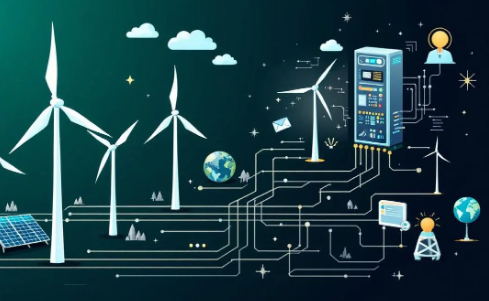
Digital tools increasingly play a critical role in promoting clean energy solutions. Their ability to facilitate real-time monitoring and analysis of energy consumption patterns is noteworthy. Advanced analytics and IoT integration enhance consumer decision-making regarding energy use. Furthermore, improved forecasting mechanisms bolster the reliability of renewable sources. These elements collectively suggest a transformative shift towards energy independence. However, the implications of these developments warrant further exploration. What challenges and opportunities lie ahead in this evolving landscape?
The Role of Smart Grids in Clean Energy Distribution
As the demand for renewable energy sources continues to rise, the integration of smart grids has emerged as a pivotal component in the efficient distribution of clean energy.
Grid modernization facilitates real-time monitoring and control, enhancing system reliability.
Furthermore, demand response strategies empower consumers to adjust their energy usage, thereby optimizing resource allocation and minimizing waste, ultimately fostering a sustainable energy future.
Improving Renewable Energy Forecasting With Advanced Analytics
Advanced analytics significantly enhances the accuracy of renewable energy forecasting, addressing one of the key challenges in the integration of intermittent energy sources such as solar and wind.
Utilizing machine learning and predictive modeling, these advanced techniques allow for better anticipation of energy output, minimizing waste and optimizing resource allocation.
This fosters greater energy independence and supports the transition towards a sustainable energy future.
Using Digital Tools Like IoT for Energy Efficiency
While energy efficiency remains a critical goal in the transition to sustainable energy systems, the integration of digital tools, particularly the Internet of Things (IoT), has emerged as a transformative approach.
IoT applications enable real-time energy monitoring, allowing for precise adjustments in consumption patterns. This not only optimizes resource use but also empowers individuals to make informed decisions, fostering a more sustainable energy landscape.
How Data Empowers Consumer Energy Choices
The integration of digital tools, especially through IoT, has significantly enhanced the ability of consumers to make informed energy choices.
By analyzing real-time data on energy consumption, individuals can adjust their behaviors to optimize efficiency and reduce costs.
This transparency fosters a sense of autonomy, empowering consumers to actively participate in sustainable practices and shift towards greener energy alternatives, ultimately shaping consumer behavior positively.
Conclusion
In the intricate tapestry of clean energy, digital tools emerge as the vibrant threads that weave together efficiency and sustainability. Like a compass guiding a ship through uncharted waters, these technologies navigate the complexities of energy consumption, forecasting, and distribution. As consumers harness this data-driven insight, they become the architects of their own energy futures, transforming the landscape into a greener, more independent realm. Ultimately, these digital innovations symbolize a collective step towards a brighter, sustainable horizon.