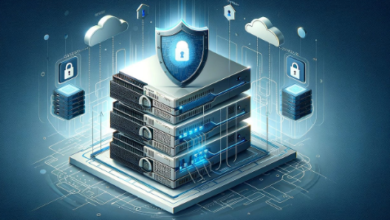
Distributed ledger technology enhances transparency by facilitating real-time tracking and verification of transactions. Its decentralized nature allows for independent validation of data, minimizing inconsistencies and fostering trust among participants. The immutable records generated by this technology serve as a reliable source of information, which can significantly impact various sectors. However, the journey toward achieving full transparency is not without its challenges and implications. Exploring these dimensions reveals deeper insights into the potential of distributed ledgers.
How Distributed Ledger Technology Fosters Real-Time Accountability
As organizations increasingly adopt distributed ledger technology (DLT), they create an infrastructure that inherently promotes real-time accountability.
This system enables real-time monitoring of transactions, ensuring transparency and reducing the risk of discrepancies.
Through decentralized verification processes, stakeholders can independently validate data entries, fostering trust and minimizing reliance on centralized authorities.
Consequently, DLT enhances operational efficiency while empowering users with greater control over their information.
How Immutable Records Build Trust
The integrity of immutable records serves as a cornerstone for trust in distributed ledger technology (DLT). Immutable transactions ensure that data cannot be altered or deleted, fostering a secure environment for participants.
This unchangeability is fundamental for trust building, as stakeholders can independently verify information without reliance on a central authority. Consequently, DLT empowers users, enhancing transparency and confidence in the system.
Real-World Examples of Distributed Ledger Applications
Distributed ledger technology (DLT) has found practical applications across various industries, demonstrating its versatility and effectiveness in enhancing transparency and efficiency.
In supply chain management, DLT ensures traceability; in financial services, it streamlines transactions.
Healthcare records benefit from secure sharing, while voting systems enhance electoral integrity.
Additionally, DLT safeguards intellectual property and facilitates transparent energy trading, showcasing its transformative potential across sectors.
Overcoming Challenges to Achieve Greater Transparency
While the potential of distributed ledger technology (DLT) to enhance transparency is significant, several challenges must be addressed to fully realize its benefits.
Ensuring data integrity is paramount, as inaccuracies can undermine trust.
Additionally, navigating regulatory compliance presents hurdles, as varying jurisdictions impose different standards.
Addressing these challenges is essential for DLT to achieve its promise of greater transparency and freedom in data management.
Read Also: How Digital Tools Enable Clean Energy
Conclusion
In conclusion, distributed ledger technology acts as a digital lighthouse, illuminating the path toward enhanced transparency across diverse sectors. By facilitating real-time accountability and ensuring immutable records, it cultivates trust among stakeholders. As organizations navigate the complexities of data integrity and regulatory compliance, the adoption of distributed ledgers not only mitigates risks but also empowers users with unparalleled control over their information. Thus, the potential for transformative change in operational efficiency and reliability is both profound and promising.